Hey there, fellow pest – control enthusiasts! As a pheromone lures supplier in the business for quite some time, I often get asked this burning question: "Do pheromone lures work on all pests?" Well, let’s dive right into it and break it down. Pheromone Lures
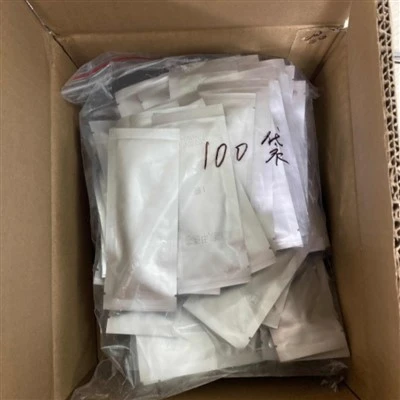
First off, let’s talk about what pheromone lures actually are. You know, pheromones are these chemical signals that insects and some other pests use to communicate with each other. They send out these scents to attract mates, mark their territory, or even warn others about danger. Pheromone lures are basically man – made versions of these natural chemical signals. We create them in a lab to mimic the real deal and use them to either trap pests or disrupt their normal behavior.
Now, to answer the big question: Do they work on all pests? The short answer is no. And here’s why.
Different pests have different pheromone systems. Some pests rely heavily on pheromones for mating. For example, moths are well – known for using sex pheromones to find their partners. Female moths release these specific scents into the air, and male moths can detect them from miles away. Our pheromone lures for moths are designed to mimic these sex pheromones. When we put these lures in traps, male moths are attracted to them, thinking they’re finding a female. Once they get to the trap, they’re stuck, and we can keep their population in check.
But not all pests use pheromones in the same way or to the same extent. Take cockroaches, for instance. Sure, they do use pheromones, but their communication system is a bit more complex. They use pheromones not just for mating but also for things like marking food sources and signaling the presence of other roaches. Our cockroach pheromone lures are designed to tap into these multiple aspects. However, cockroaches also have a very good sense of smell and are quite cautious. So, while the lures can work in some situations, they might not be as effective as we’d like in others, especially if the environment is full of competing scents or if the roach population is really large.
Another example is ants. Ants have an incredibly sophisticated pheromone – based communication system. They use pheromones to create trails to food sources, defend their nests, and recognize members of their own colony. Pheromone lures for ants can be tricky because there are so many different types of pheromones involved. Some lures are made to mimic the food – trail pheromones, hoping to lead ants to a bait station. But ants also have different species, and each species may have slightly different pheromone profiles. So, a lure that works great for one type of ant might not work at all for another.
Then there are pests like spiders. Spiders don’t really rely on pheromones in the same way as insects do. They use other senses, like touch and vibrations, to find prey and mates. So, pheromone lures are pretty much useless when it comes to spiders. It’s just not part of their communication or behavior – seeking mechanism.
Now, even when pheromone lures are designed for a specific pest that does use pheromones, there are other factors that can affect their effectiveness. The environment plays a huge role. If it’s really windy, the pheromone scent can get blown away before pests can detect it. High humidity can also break down the pheromone molecules, making the lures less potent. And if there are a lot of natural food sources or competing scents in the area, pests might be less likely to be attracted to the lures.
The quality of the pheromone lures also matters. At our company, we spend a lot of time and resources on research and development to make sure our lures are as accurate as possible in mimicking the natural pheromones. We test them in various conditions to ensure they work well. But not all suppliers out there might put in the same level of effort. Some might use lower – quality ingredients or have poor manufacturing processes, which can lead to lures that don’t work as expected.
So, while pheromone lures are a great tool in pest control, they’re not a one – size – fits – all solution. They work really well for some pests, like many types of moths and some beetles, but not so well for others. And even for the pests they’re designed for, the effectiveness can vary depending on the environment and the quality of the lures.
But don’t get discouraged! Pheromone lures are still a valuable part of an integrated pest management strategy. They can be used in combination with other methods, like traps, pesticides, and good sanitation practices. For example, if you’re dealing with a moth infestation, you can use pheromone lures to monitor the population and also place sticky traps to catch the moths. You can also make sure your storage areas are clean and free of food debris to reduce the moths’ food sources.
If you’re in the business of pest control or just dealing with a pest problem at home, I really think you should give pheromone lures a try. They offer a more targeted and environmentally friendly approach compared to some traditional pesticides. And if you’re looking for high – quality pheromone lures, we’re here to help. We’ve got a wide range of lures for different pests, and our team is always ready to answer your questions and offer advice. Whether you’re a professional exterminator looking to stock up or a homeowner trying to solve a pest issue, we can provide you with the right products for your needs.
So, if you’re interested in learning more about our pheromone lures or want to discuss a potential purchase, don’t hesitate to reach out. We’re excited to work with you and help you find the best pest – control solutions using our top – notch pheromone lures.
Agricultural Monitoring System References:
Miller, J. R., & Gut, L. J. (2015). Monitoring and Mass – Trapping for the Management of Insect Pests. Annual Review of Entomology.
El – Sayed, A. M. (Ed.). (2020). The Pherobase: Database of Insect Pheromones and Semiochemicals.
Hanks, L. M., & Millar, J. G. (2016). Insect Chemical Ecology on the Ground: Soil – Dwelling Insects and Their Semiochemicals. Annual Review of Entomology.
Sichuan Ruijinte Technology Co., Ltd.
As one of the most professional pheromone lures manufacturers in China, we have world-leading production equipment and strong manufacturing capabilities. Please rest assured to wholesale high quality pheromone lures at competitive price from our factory. Customized orders are welcome.
Address: No. 616, 6th Floor, Building 1, No. 8, Tianjiu North Lane, High-tech Zone, Chengdu
E-mail: glock@rjt-agri.com
WebSite: https://www.rjtagri.com/
