Hey there, let’s cut to the chase: if you’re a facility manager, office owner, or warehouse lead staring at a bunch of old, rickety vertical cabinets that are eating up space and making your utility bills go through the roof, you’ve probably asked this exact question way too many times. I run a vertical cabinet retrofit company—we’ve been elbow-deep in this stuff for years—and I’m here to tell you that yeah, there are actual eco-friendly options. No greenwashing, no fancy jargon, just real stuff that works for your budget, your space, and the planet. Vertical Cabinet Retrofit

First, let’s get one thing straight: retrofitting old cabinets is way better than replacing them. Like, way better. I don’t care what any new cabinet salesman tells you, making new stuff uses so many resources—steel mining, plastic production, even the packaging that comes with it. Studies from the EPA say that the carbon footprint of manufacturing new office or storage furniture is like 10 times higher than retrofitting existing pieces, right? That’s not just a random stat. Every old cabinet we save from a landfill is one less item leachating chemicals into the ground or burning up releasing CO₂. I’ve seen too many companies shell out for brand-new cabinets just because they thought retrofits wouldn’t be “green enough” or wouldn’t work. Spoiler: that’s usually just someone pushing a new product.
So what are the actual eco-friendly retrofit options we’re doing, day in and day out? Let’s break ’em down, no confusing terms.
First up, material swaps that are low-waste and sustainable. A lot of old vertical cabinets have busted shelves, worn-out door panels, or scuffed exteriors. Instead of replacing those parts with new stuff that’s gonna end up in a landfill in 10 years, we use what’s called FSC-certified wood veneer or recycled steel for repairs. Wait, recycled steel? Yeah, that’s huge. Steel is 100% recyclable, and using recycled steel cuts its carbon emissions by like 75% compared to new steel from ore. We’ve had clients with 20-year-old metal cabinets whose door panels were rusted or dented, and instead of buying new metal, we sourced thin recycled steel sheets that match the original specs. It’s cheaper, it’s less waste, and the cabinets look brand new. For the interior shelves? If the original wood is rotting or warped, we use cross-laminated timber (CLT) offcuts—those are leftover pieces from bigger construction projects that would’ve been thrown away otherwise. No need to cut down new trees for shelves; we’re just giving new life to scrap material.
Then there’s the energy side, because wait—vertical cabinets, especially the ones in labs, warehouses, or even office server rooms, sometimes have built-in lighting or cooling systems. A lot of old cabinets use fluorescent lights that suck power and have mercury in them, or terrible ventilation that makes them run too hard. We swap those out for LED lights, obviously—they use 75% less energy and last 25 times longer than fluorescent. And for ventilation? We install passive ventilation inserts made from recycled plastic, so the cabinets don’t need constant fans running. That’s a big win for utilities too; I had a client in a healthcare facility whose annual electric bill for their old storage cabinets went down by $1,200 after we retrofitted the lighting and ventilation. They thought the energy savings would be tiny, nope. Also, we make sure all the wiring and components we use for these upgrades are third-party certified for low VOCs (volatile organic compounds)—so no weird fumes off new parts that could be bad for office workers or lab staff.
Wait, what about the hardware? The little stuff matters. Old cabinet hinges, locks, and drawer slides get stiff over time, and people often just replace them with new ones. But we refurbish the original hardware when we can—sand down rust, lubricate with non-toxic, plant-based oil instead of chemical lubricants, and replace only the broken parts with recycled metal hardware. For locks, if the original lock mechanism still works, we just rekey it instead of buying a whole new lock set. That cuts down on hardware waste, and again, it’s cheaper for the client. I’ve had clients tell me they’d rather keep the old hardware anyway because it’s got that vintage look, and we totally get that—retrofitting doesn’t mean making everything look generic, it means keeping the character without wasting stuff.
Now, let’s talk about something people don’t always think about: modular upgrades. A lot of old vertical cabinets are fixed-size, so if your storage needs change (say, you start storing more boxes or lab samples), you have to either replace them or hack them up, which creates waste. We do modular retrofits where we add adjustable, eco-compatible inserts that fit the existing cabinet frame. For example, if you have a 7-foot-tall cabinet that used to hold files but now you need to store taller equipment, we install adjustable shelf brackets made from recycled aluminum, and cut the existing interior dividers to fit, no new cabinet needed. These inserts are also reusable—if your needs change again in 5 years, you can just take ’em out and rearrange, instead of buying new cabinets. The Circular Economy Act (wait, no, the Ellen MacArthur Foundation’s reports) say that modular furniture upgrades keep products in use for longer, which is exactly what we’re going for here. That’s not just eco—it’s practical for businesses that grow or shrink their needs.
Wait, but what about cases where a cabinet is too far gone to retrofit? We’ll be honest, we don’t try to force it. If a cabinet is rusted through, structurally unsound, or has so many broken parts that retrofitting would cost almost as much as replacing, we work with local metal scrap yards and wood recyclers to take it apart. Every single piece of metal goes to be melted down and reused, every wood piece that’s not rotting goes to a local mill to be turned into mulch or new lumber, and any other parts (like old electronics) go to e-waste facilities that recycle them properly. We never send a whole cabinet to the landfill—ever. That’s part of our whole process, actually. We do a full waste audit on every cabinet we work on, so our clients know exactly how much waste we’re keeping out of landfills for their project.
Let me throw in a real example to make this not just theory. Last year, we worked with a small college lab that had 12 old vertical metal cabinets for storing chemicals. The cabinets were from the 1990s, some had rust spots, the lighting was flickering fluorescent, and they were using way too much electricity. The school was gonna buy all new cabinets, which would’ve cost around $18,000 and generated a ton of waste. Instead, we retrofitted each one: replaced the rusted door panels with recycled steel, swapped the fluorescent lights for LED, installed passive ventilation inserts, refurbished all the locks and hinges, and added adjustable shelf inserts made from CLT offcuts. The whole project cost $9,500—way cheaper than new. And we calculated that it kept over 1,200 pounds of metal, 300 square feet of wood, and all the old cabinets out of the landfill. The lab’s energy bill for those cabinets went down by 40% in the first month, and the school got a local green business award for the project. That’s the kind of win-win we’re all about.
But wait, I know what some of you are thinking: “Retrofit is just greenwashing, right? A lot of companies say they’re eco but they’re just charging more for the same old stuff.” Nah, we don’t do that. Our eco retrofits are priced competitively with standard retrofits, and we publish our material sources so clients can check for themselves. We work with local suppliers whenever possible to cut down on transportation emissions—if we need recycled steel, we use a scrap yard 20 minutes away instead of a place 200 miles away. That’s another thing no one talks about: the carbon footprint of delivering parts. We keep that local, so we’re not adding to pollution from long-haul trucks.
Also, there’s the part about indoor air quality. A lot of new cabinets are made with pressed wood that has formaldehyde, which is a known irritant. When we retrofit, we only use FSC wood and low-VOC finishes, so the air quality in the space gets better, too. That’s a huge plus for offices, schools, or labs where people are spending 8+ hours a day around these cabinets. I had a client in a startup office who said after we retrofitted their cabinets, their employees had way fewer headaches and allergy symptoms—they thought it was just better air from the retrofitted parts, which makes sense, no weird fumes from new cabinet components.
Now, let’s get real about the barriers. I know some people worry that retrofitting will mean downtime, or that the cabinets won’t be as durable as new ones. But our retrofits come with a 5-year warranty, same as new cabinet manufacturers, because we use materials that are built to last. And we schedule all our work after hours or on weekends so facilities don’t have to shut down operations. That’s a big deal for warehouses and labs that can’t afford to stop work.
Wait, another point: if you’re a business trying to hit sustainability goals, like a zero-waste target or a carbon reduction plan, retrofitting is way easier to track than buying new. You can quantify exactly how much waste you’re diverting, how much energy you’re saving, and that’s stuff you can report to stakeholders. We give every client a full sustainability report after we finish a project, with numbers on waste diversion, carbon emissions saved, and energy cost reductions. That’s not fluff, that’s actual data.
So, to circle back to the original question: Are there eco-friendly options for vertical cabinet retrofit? Hell yeah. They’re not just for “tree huggers” or big corporations—they’re for any business that wants to save money, reduce waste, and make their space better, without settling for outdated, falling-apart cabinets. We’ve done everything from small office cabinets to big warehouse storage units, and every single project has proven that retrofitting with sustainable materials, modular upgrades, and zero-waste practices works.
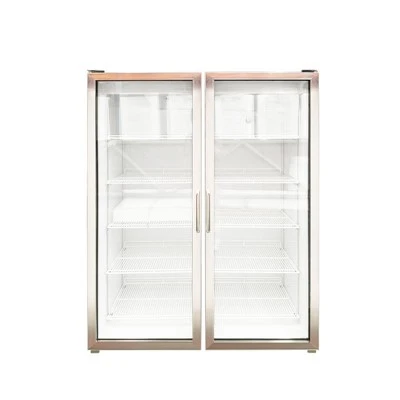
If you’re tired of looking at old cabinets that cost you too much money and feel bad for the planet, hit us up. We’ll come take a look at your cabinets, give you a free, no-pressure quote, and walk you through all the eco options tailored to your space and budget. No sales pitch, no confusing jargon, just honest advice that’s good for your business and good for the planet. Don’t replace what you can give new life to—retrofit, and do it the green way.
Deep Chest Freezer Retrofit REFERENCES
U.S. Environmental Protection Agency. (n.d.). Sustainable Materials Management: Furniture.
Ellen MacArthur Foundation. (2016). The Circular Economy: A Wealth of Flows.
World Green Building Council. (2020). Health, Wellbeing and Productivity in Offices.
Coste Glass Door Co., Ltd.
As one of the most professional vertical cabinet retrofit manufacturers and suppliers in China, we’re featured by quality products and good price. Please feel free to wholesale bulk vertical cabinet retrofit in stock here and get quotation from our factory. Customized orders are welcome.
Address: 41/47, VILLAGE NO.5 KHOK KRABUE SUBDISTRICT MUEANG SAMUT SAKHON DISTRICT ,SAMUT SAKHON PROVINCE 74000 ,Thailand
E-mail: Alicezhou@shhag.com
WebSite: https://www.costeglassdoor.com/
