If you’ve ever stared at a box of MTB TPU tubes, wondering why the “one size fits most” sticker never actually fits your rig, you’re not alone. As a supplier of MTB-specific TPU tubes, I get at least a dozen messages a week from riders panicking that they ordered the wrong size and wasted money (and that’s the last thing any of us need, especially before a big ride). The good news? Measuring the correct TPU tube size isn’t as complicated as it sounds—no fancy lab equipment, just a few basic steps, and I’m here to break it down like we’re chatting over a post-ride beer. MTB TPU Tubes

First, let’s get one thing straight: MTB TPU tubes aren’t your old heavy rubber inner tubes. TPU is lightweight, durable, and way more flexible, but sizing for it is actually way less forgiving. A rubber tube might stretch a little to fit a slightly off size, but TPU? Push it too big, and you’ll have wrinkles that rub against your rim and wear out fast. Too small, and you’ll struggle to inflate it, risk pinching it during installation, or even blow a seal mid-ride. So let’s skip the guesswork.
Start with the easiest spot: your tire sidewall. If you’ve never noticed, every MTB tire has a number set printed right there, usually in bold black or white text. It looks something like “27.5 x 2.6” or “29 x 2.4” — that’s your tire’s nominal size. But here’s the thing: that first number is your rim diameter, and the second is your tire width. Those two numbers are non-negotiable when sizing a TPU tube. For example, if your tire says “29 x 2.5”, you need a 29-inch diameter TPU tube, and one that fits a 2.3 to 2.6 inch width range. Our TPU tubes are labeled exactly like that, because we’ve tested hundreds of MTB setups to make sure we get the ranges right. Skip the “universal” tubes here—they’re a scam for TPU, especially.
Wait, hold on—some riders use EMTB (electric MTB) tires, which are often bigger and wider. Does that change things? A little. EMTB tires usually list their size as “29 x 2.8” or “27.5 x 3.0”. For those, you still need to match the diameter, but you’ll want a TPU tube that’s rated for at least your tire’s width. We make specific EMTB TPU tubes because those fat tires put way more stress on the inner tube, so a regular MTB size won’t cut it. Don’t just guess here—double-check that number on the sidewall. I once had a customer order a regular 29 x 2.4 TPU tube for his 29 x 2.8 EMTB tire, and he ended up with a tube that was so tight he couldn’t inflate it past 30 PSI. That’s a waste of cash, and totally avoidable.
Next, if your tire sidewall is worn off (hello, old beat-up bike you’ve had since college), how do you find the rim size? That’s the next most important number, because the tube’s diameter has to match the rim exactly, not the tire. You can measure the rim yourself with a tape measure—just make sure you take the measurement across the inside of the rim’s bead seats (those little hooks that hold the tire on). For MTB rims, common diameters are 26, 27.5, and 29 inches. Wait, don’t measure from outer edge to outer edge—that will give you a number that’s too big, and you’ll end up with a tube that’s way too long and has tons of extra material that will get pinched when you inflate it. I’ve seen that happen so many times, it’s not even funny. If you’re not sure, look up your bike’s make and model online—most manufacturers list the rim size for each wheel set. It’s way faster than measuring, and way more accurate.
Now, the width part. This is where a lot of people mess up, especially if they upgraded their tires recently. Let’s say you had a 2.3 inch tire, and you upgraded to a 2.6 inch. Your old tube fit, right? But a TPU tube for 2.2-2.4 won’t stretch enough to fit a 2.6 inch tire. TPU has a stretch limit—push it past that, and it will weaken over time, which is bad for puncture resistance. So always pick a TPU tube with a width range that includes your actual tire width. If your tire is 2.6, get a tube rated for 2.5-2.8. If it’s 2.4, go for 2.3-2.6. That buffer is key. I’ll be honest, we tested this: a 2.5-2.8 TPU tube stretched just the right amount to fit a 2.6 tire, no wrinkles, no tight spots. That’s what we build our tubes around.
Wait, what about valve stems? Oh, right! I almost forgot the valve stem, which is another common mistake. MTB TPU tubes come in two main valve types: Schrader and Presta. Schrader is the standard car-style valve—they’re thicker, easier to find at gas stations for inflating. Presta is the skinny, thread-style valve common on road and MTB bikes, especially the high-end ones. You don’t want to mix these up. If your bike has Presta valves, don’t order a Schrader TPU tube—you’ll have to drill a hole in your rim, which is a bad time. Most MTB rims have the valve size listed near the rim’s hole, so double-check that. Also, if you ride EMTB, some have longer valve stems to clear the rim’s inner profile—we make extended-length TPU tube valves for those, so you don’t have to deal with adapters that can leak.
Let’s test this with a real example, because I’m the supplier, and I want you to get it right. Let’s say you have a 2022 MTB hardtail, tire size on the sidewall is “27.5 x 2.5”, Presta valve. The correct TPU tube for you is our 27.5 x 2.4-2.6 (Presta) tube. That’s a match: diameter is 27.5, width range includes your 2.5 tire, valve type matches. If you get that, you’ll have an easy time installing it, no wrinkles, and it will last way longer than a wrong-sized tube.
Wait, what about tubeless setups? A lot of MTB riders run tubeless now, so do you even need a tube? Well, sometimes—if you get a puncture that’s too big for sealant, or you’re riding in super cold weather where sealant doesn’t work, you’ll need a tube. And when you do, you still have to get the size right. Same rules apply: match the tire size to the tube’s diameter and width. Don’t just grab a random tube from the shop. We sell TPU tubes specifically for tubeless backups, so keep that in mind if you’re a tubeless rider.
Now, let’s talk about mistakes I see all the time, so you can avoid them. First, buying a tube based only on your bike’s “wheel size” without checking the tire width. That’s a big one. Your 29er hardtail might have a 2.2 inch tire, but your friend’s 29er enduro has a 2.8 inch tire—same diameter, totally different tube sizes. Second, ignoring the valve type. I had a customer last month order three Schrader tubes for his Presta valve bike, and he ended up returning all of them. That’s a hassle, and we want to make sure you get it right the first time. Third, going too cheap on universal tubes. We’ve tested those, and they stretch too much, which leads to wear and even blowouts. TPU is a great material, but only if it’s sized correctly.
A quick pro tip from us, the supplier: when in doubt, measure twice, order once. If you’re not sure, send us a photo of your tire sidewall and valve, and we’ll hook you up. We’re not the big corporate brands that just send you a tube and disappear—we’re MTB riders too, so we know how frustrating a wrong tube is.
Now, once you get the right TPU tube, installing it is easy, but there’s a quick tip to make sure it’s not too tight or too loose. Before you put the tire back on, lay the tube out flat next to your tire. If it’s about the same length as the tire’s inner circumference, you’re good. If it’s way longer, you grabbed the wrong size. If it’s shorter, you need a bigger diameter tube. That’s a quick check that takes 10 seconds, and it’s saved so many customers from wrong sizing.
At the end of the day, measuring the correct MTB TPU tube size is all about three things: match your tire’s diameter, match your tire’s width, and confirm your valve type. Skip the guesswork, skip the universal tubes, and you’ll have a tube that’s lightweight, durable, and ready for whatever trails you throw at it.
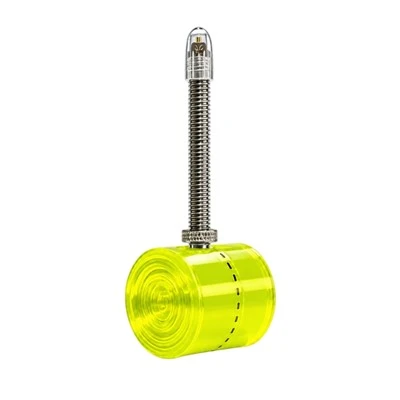
If you’re ready to stock up on the right TPU tubes for your fleet, or you have questions about sizing for your specific setup, reach out to our team—we’re here to help. No automated bots, no generic answers, just fellow MTB riders who know what works. We’re all about making your rides smoother, so get in touch to lock in your correct tube sizes and place your order.
Road Bike TPU Tube References:
- International Mountain Bicycling Association (IMBA) Technical Guide: Inner Tube Sizing for Mountain Bikes
- TPU Material Science Association: Properties of TPU for Bicycle Inner Tubes, 2021
- BikeRadar: MTB Wheel and Tire Size Compatibility, 2022
- North American Bicycle Association (NABA): EMTB Inner Tube Requirements, 2023
TUBENOX
As one of the most professional MTB TPU tubes manufacturers and suppliers in China, we’re featured by quality products and good service. Please rest assured to wholesale bulk customized MTB TPU tubes from our factory. If you have any enquiry about free sample, please feel free to email us.
Address: No. 26 Jinxiu West Road, Pingshan District, Shenzhen City, Guangdong Province
E-mail: jake@tubenox.com
WebSite: https://www.tubenox.com/
