Do other stone abrasive tools need to be balanced before use? Other Stone Abrasive Tools
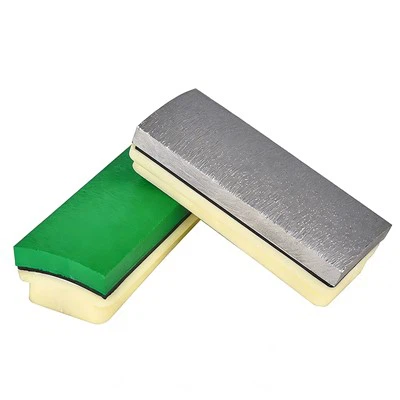
As a supplier of other stone abrasive tools, I’ve encountered numerous inquiries from customers regarding the necessity of balancing these tools before use. This issue is not only vital for the performance of the tools but also significantly impacts the safety of the operators and the quality of the work being carried out. In this blog post, I’ll delve into the science behind tool balancing, explain whether other stone abrasive tools need balancing, and discuss the implications of balanced and unbalanced tools in a real – world setting.
Before we dive into the topic, it’s essential to understand what tool balancing means. Balancing a tool refers to the process of equalizing the distribution of mass around its axis of rotation. An unbalanced tool will have some areas with more mass than others. When the tool rotates, these uneven mass distributions create centrifugal forces, which can cause vibrations.
For other stone abrasive tools, like stone grinding wheels, polishing discs, and cutting blades, the question of balancing is complex and multifaceted. Different types of stone abrasive tools have different requirements for balance depending on various factors such as their design, the speed of rotation, and the intended application.
Let’s first discuss high – speed stone abrasive tools. Tools that operate at high speeds, such as some diamond – tipped grinding wheels used in precision stone machining, are especially sensitive to imbalances. At high rotational speeds, even a slight imbalance can generate significant centrifugal forces and vibrations. These vibrations can lead to a series of problems. Firstly, they can reduce the accuracy of the machining operation. For example, if you’re using a high – speed grinding wheel to polish a marble surface, the vibrations can cause uneven wear on the marble and leave a wavy finish instead of a smooth, flat one. Secondly, vibrations also increase the stress on the tool itself and the machine it’s mounted on. This can lead to premature wear and tear of both the tool and the machine components, ultimately increasing maintenance costs and reducing the lifespan of the equipment. In extreme cases, excessive vibrations can even cause the tool to break apart during operation, posing a serious safety hazard to the operator. Therefore, for high – speed other stone abrasive tools, balancing is an absolute necessity.
On the other hand, some low – speed stone abrasive tools may not require strict balancing in all cases. For instance, hand – held stone chisels or small – scale stone carving tools that are operated at relatively slow speeds may tolerate minor imbalances. These tools are often used in more forgiving applications where a high degree of precision isn’t always required, like creating rough – textured stone sculptures. However, even for these low – speed tools, a significant imbalance can still cause discomfort for the operator over long periods of use. The constant jolting and shaking due to an unbalanced tool can lead to fatigue, muscle strain, and even long – term repetitive – stress injuries. So, while balance may not be as critical as in high – speed applications, it can still contribute to a better user experience and long – term ergonomics.
Another factor to consider is the type of stone being worked on. Harder stones, such as granite, require more force and precision during the grinding, cutting, or polishing process. A well – balanced tool is better able to maintain a consistent pressure on the stone surface, resulting in more efficient material removal and a cleaner finish. Soft stones, like limestone, are more forgiving, but a balanced tool can still prevent over – cutting and uneven surfaces.
The material of the abrasive tool itself also plays a role. Some abrasive materials may wear unevenly over time, which can lead to an imbalance. For example, if a grinding wheel has a section where the abrasive particles are of lower quality or have been more severely worn, it can create an imbalance. Regularly checking and re – balancing the tool can help account for these changes in the tool’s mass distribution.
In a production environment, the impact of using unbalanced stone abrasive tools becomes even more evident. In large – scale stone processing factories, where multiple machines are operating simultaneously, unbalanced tools can disrupt the entire production line. The vibrations from an unbalanced tool can be transferred to neighboring equipment, causing interference and potentially affecting the performance of other machines. Additionally, the quality control of the final products can be compromised. Unbalanced tools are more likely to produce inconsistent results, leading to a higher rate of defective products.
So, how do we balance other stone abrasive tools? There are several methods available. Static balancing is the simplest approach. It involves placing the tool on a horizontal shaft and allowing it to come to rest. The heavy spot will always end up at the bottom. We can then add or remove mass from the appropriate areas to achieve balance. Dynamic balancing is a more advanced technique, which takes into account the forces generated during rotation. Specialized balancing machines are used to measure the vibrations and identify the exact locations where mass adjustments are needed. These machines can provide highly accurate balancing results, especially for high – speed and precision – oriented tools.
As a supplier of other stone abrasive tools, I understand the importance of providing customers with not only high – quality tools but also the knowledge to use them safely and effectively. We ensure that our tools are rigorously tested for balance during the manufacturing process. However, we also recommend that our customers regularly inspect and re – balance the tools, especially after extended use or if they notice any signs of abnormal vibrations.
If you’re in the market for other stone abrasive tools, or if you have any questions about tool balancing, I encourage you to reach out to us. Our team of experts is always available to provide you with technical support and advice tailored to your specific needs. Whether you’re a small – scale stone craftsman or a large – scale stone processing plant, we can help you find the right tools and ensure that they are used to their fullest potential.
In conclusion, while the requirement for balancing other stone abrasive tools may vary depending on factors such as speed, application, and tool material, it is generally beneficial and often necessary for optimal performance, safety, and product quality. By understanding the importance of tool balancing and taking the appropriate measures, you can enhance your stone – working operations and achieve better results.
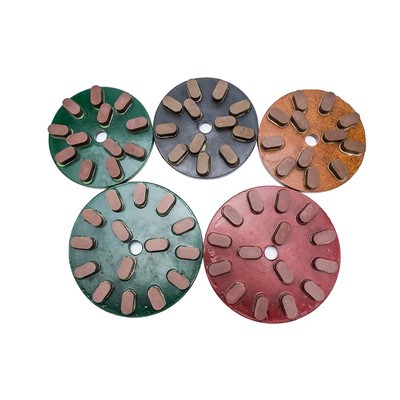
Contact us today to discuss your stone abrasive tool requirements and experience the difference that a well – balanced tool can make.
Stone Grinding Disc References:
- "Fundamentals of Machine Tool Technology" by George H. Ellis
- "Handbook of Abrasives and Grinding" by Irving Mindell
Quanzhou Cheefung New Materials Co., Ltd.
As one of the most experienced irregular stone abrasive enterprises in China, we are able to meet the needs of the majority of our customers. Please feel free to wholesale advanced irregular stone abrasive made in China here from our factory. For price consultation, contact us.
Address: Jinshan Community, Licheng District, Quanzhou City, Fujian, China
E-mail: info@prostonetools.com
WebSite: https://www.prostonetools.com/
