If you’ve ever installed indoor LED modules for a retail space, office, or gym, you probably didn’t spend much time staring at the driver. I get it—most people focus on the LEDs themselves: how bright they get, the color temperature, maybe the cost per module. But let me tell you as someone who’s been supplying indoor LED modules for over a decade now: the driver is the unsung hero that makes or breaks your whole setup. Skimp on driver quality, and even the priciest, highest-CRI LED chips will sputter, flicker, or die way before their expected lifespan. Nail the driver, and you’ll get consistent light, lower energy bills, and way fewer service calls. It’s not rocket science, but it’s way more impactful than most folks realize. Indoor LED Module
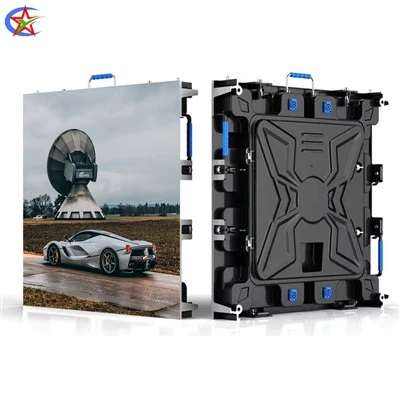
First, let’s break down what a driver even does, because that’s key to why its quality matters so much. Most of the time, your home or commercial space runs on AC power—alternating current that flips direction 50 or 60 times a second. LEDs? They run on DC, direct current, and way lower voltage than what a standard wall outlet puts out. That’s where the driver comes in: it converts that high-voltage AC to the steady, low-voltage DC LEDs need to work. A bad driver can’t do that conversion reliably, and that throws everything off.
Let’s start with flicker, something I’ve had customers come back to me about all the time. Flicker isn’t just annoying—wait, no, it’s actually more than that. Studies show even subtle, high-frequency flicker (the kind you can’t see with your naked eye) can cause eye strain, headaches, and even disrupted sleep for people spending long hours under the lights. Cheap drivers don’t regulate the DC current well, so they let tiny fluctuations through that make the LED output flicker. A lot of the super budget drivers on Amazon or at discount lighting supply shops cut corners on the components—using cheaper capacitors, for example, which can’t smooth out the current enough. One of my regular customers is a chain of small coffee shops; a few years back, they bought a bulk set of super cheap LED modules from another supplier, and within 6 months, half the stores were getting complaints from baristas about headaches during their 8-hour shifts. We swapped out the drivers on their modules with our premium ones, and the complaints stopped almost overnight. That’s the kind of thing that doesn’t show up on a spec sheet, but it’s a huge deal for end users.
Next up is lifespan. A typical high-quality indoor LED module should last 50,000 hours or more— that’s like 10+ years of use in a commercial space, way longer than fluorescent lights or even incandescents. But the driver? It’s often the first part to fail, even if the LEDs themselves are fine. Why? Cheap drivers run too hot, because they use subpar heat management and don’t regulate current efficiently. LEDs are sensitive to heat—high temps speed up degradation of the LED chips. So a bad driver doesn’t just die on its own; it also makes the LEDs wear out faster, creating a double whammy. We once had a client who installed 200 modules in a small office building, using no-name drivers that cost $2 each. Two years later, 70% of the modules had burned out—half were dead LEDs, half were dead drivers. We re-did the entire job with our modules and reliable drivers, and in the 5 years since, we’ve replaced fewer than 5 drivers total. The math adds up: even if a premium driver costs $5 vs. $2, you’re not paying for replacements, labor to swap parts, and the lost productivity from a dark office.
Energy efficiency is another big one. Let’s be real, energy costs are only going up, no matter where you’re based. A good driver converts almost all of the AC power to DC power that the LEDs use—we’re talking 90%+ efficiency. A bad driver? Maybe 70% at best, sometimes lower. That means you’re wasting 20-30% of your energy just powering the driver, not the actual light. Multiply that by 100 or 1000 modules in a big space, and that’s hundreds of extra dollars a year on utility bills. I’ve had customers run the numbers for me: one gym that switched from cheap drivers to ours saved almost $1,200 a year on electricity. That’s money they put back into new equipment, or lower membership fees. It’s not a tiny detail—it adds up fast.
Then there’s dimming performance, which is super important for a lot of indoor spaces. Think about a restaurant that wants dimmer lighting for dinner, or a classroom that needs bright light for tests, or a retail store that adjusts brightness for different displays. A good driver will work smoothly with standard dimmers—no strobing, no shifting color, no turning off partially. Cheap drivers, though, often don’t play well with common dimmer models. We’ve had a few clients come to us frustrated because their new LED modules flickered when they tried to dim them, and it’s almost always a bad driver issue. A lot of cheap drivers skip the proper dimming circuitry to cut costs, so they can’t handle the low current needed for dimming. Our modules, on the other hand, are paired with drivers that work with most standard 0-10V or TRIAC dimmers, so customers don’t have to re-wire their entire system or buy new dimmers to make it work.
Wait, let’s talk about consistency too. If you have 100 indoor LED modules in a space, you want all of them to put out the same brightness and color temperature, right? A good driver keeps the current steady, so every module is performing the same. A bad driver can cause variations: some modules are dim, some are bright, some have a weird warm tint and some are too cool. That’s a huge problem for retail or office spaces where the light needs to look uniform. I once walked into a boutique that had just installed a new lighting setup, and you could see clear lines between the modules—some were bright white, some were yellow, some were dimmer. The owner had bought cheap modules with cheap drivers to save money, and now he had to either live with a messy look or replace all the modules, which cost way more than just getting quality drivers in the first place.
Now, I know what you’re thinking: “Can’t I just get a driver that’s ‘good enough’?” But here’s the thing: indoor LED module drivers aren’t one-size-fits-all. The environment matters too. If you’re installing modules in a damp space—like a bathroom, or a gym with high humidity, or a grocery store that gets steam from the deli section—you need a driver that’s rated for damp locations. Cheap drivers aren’t sealed, so moisture can get in and cause a short circuit. We’ve had drivers fail because of that—one restaurant in New York had a faulty driver in their back-of-house area, and a small moisture leak from a pipe caused half the drivers to fry in a week. Our damp-rated drivers have sealed housings, so they can handle that kind of humidity without issues. Similarly, if you’re putting modules in a high-traffic area where they might get bumped, or in a space with big temperature swings (like a warehouse), you need a driver that can handle vibration and temperature changes. Cheap drivers with flimsy internal parts will break down fast in those conditions.
Let’s also touch on safety, because that’s non-negotiable for any commercial or residential space. I’ve seen cheap drivers that don’t meet basic safety standards—they can overheat to the point of being a fire hazard, or have loose wiring that could cause a shock. All our drivers are UL-listed (or the equivalent in your region) and go through rigorous testing to make sure they’re safe to use indoors. I’d never sell a product that I wouldn’t install in my own office, and that’s a rule I stick to. The last thing anyone wants is a fire or an electrical issue because they tried to save a few bucks on a driver.
So, how do you make sure you’re getting a good driver with your indoor LED modules? It’s not just about picking the cheapest option. First, look for driver specs: check for efficiency ratings (aim for 90% or higher), flicker rate (look for <10% flicker, or 0 if possible), and certifications like UL, CE, or Energy Star. For dimming, make sure the driver is compatible with whatever dimmer you already have. If you’re working in a specialized space (damp, high-vibration, etc.), confirm the driver is rated for that environment.
At the end of the day, the driver is such a small part of the module, but it has an outsized impact on everything that matters to you: light quality, lifespan, energy costs, safety, and even employee or customer comfort. Cutting corners on the driver might seem like a good way to save money upfront, but it almost always leads to bigger costs down the line—service calls, replacements, lower productivity, frustrated customers. If you’re in the market for indoor LED modules, don’t sleep on the driver.
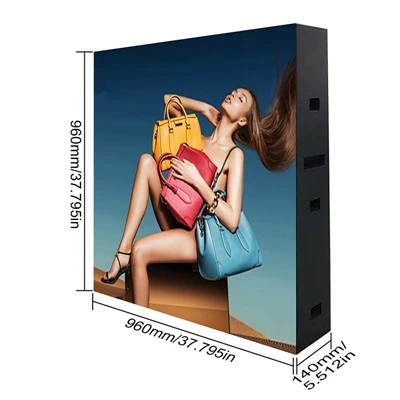
If you’re planning a lighting project for your office, retail space, gym, or any indoor space and want to make sure you’re getting the right modules with reliable drivers, feel free to reach out to us to discuss your needs. We can help you pick the perfect setup that fits your budget and performance requirements, no hidden fine print.
Indoor Rental LED Display REFERENCES
- IEEE, "Effects of Indoor Lighting Flicker on Human Performance and Well-Being", 2021
- U.S. Department of Energy, "LED Driver Efficiency and Its Impact on Lighting System Energy Use", 2022
- Lighting Research Center, "Long-Term Performance of LED Modules and Drivers in Commercial Installations", 2020
- Underwriters Laboratories (UL), "Safety Standards for LED Drivers", 2023
Shenzhen Starcolor Optoelectronics Co., Ltd.
As one of the most professional indoor led module manufacturers and suppliers in China, we’re featured by quality products and good price. Please rest assured to wholesale discount indoor led module in stock here from our factory. Customized orders are welcome.
Address: 2nd floor, Building A, Hongjingda Industrial Park, Shiyan town, Bao’an District, Shenzhen
E-mail: starcolorled@outlook.com
WebSite: https://www.starcolordisplay.com/
